
Loading map…
What is a Modern Bestiary?
Historically, a bestiary is a compendium of beasts. Originating in the ancient world with texts like the Greek Physiologus between the 2nd and 4th centuries, medieval bestiaries served as early encyclopedias. These historical texts made absolutely no distinction between real animals, like lions and owls, and fantastical ones, like unicorns and griffins. Instead of pure science, they were heavily focused on religious allegory, viewing every living thing as a manifestation of God meant to teach a moral lesson. This modern bestiary evolves that ancient tradition. We have applied a pseudo-scientific classification system-documenting biological anatomy, ecological niches, and behavioral profiles-to catalog the most enduring cryptid legends of North America.
Before exploring our modern North American database, review this archival specimen to understand how ancient scholars documented the fantastical. Early encounters with the unicorn were heavily cataloged in medieval bestiaries, drawing heavily from the ancient Greek Physiologus. Theologians used the creature's biological traits, such as its single horn representing the unity of God, and its docile vulnerability to virgins, as a direct historical allegory for the Christian faith.
Unicorn
Archival Specimen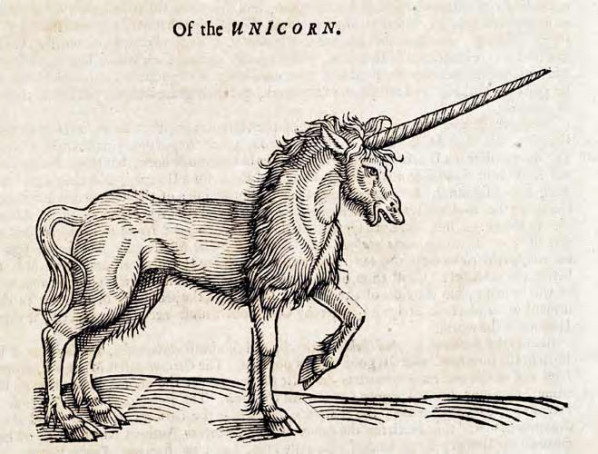
Notable Specimens
Field notes on six of the continent's most remarkable cryptids
Most Cursed
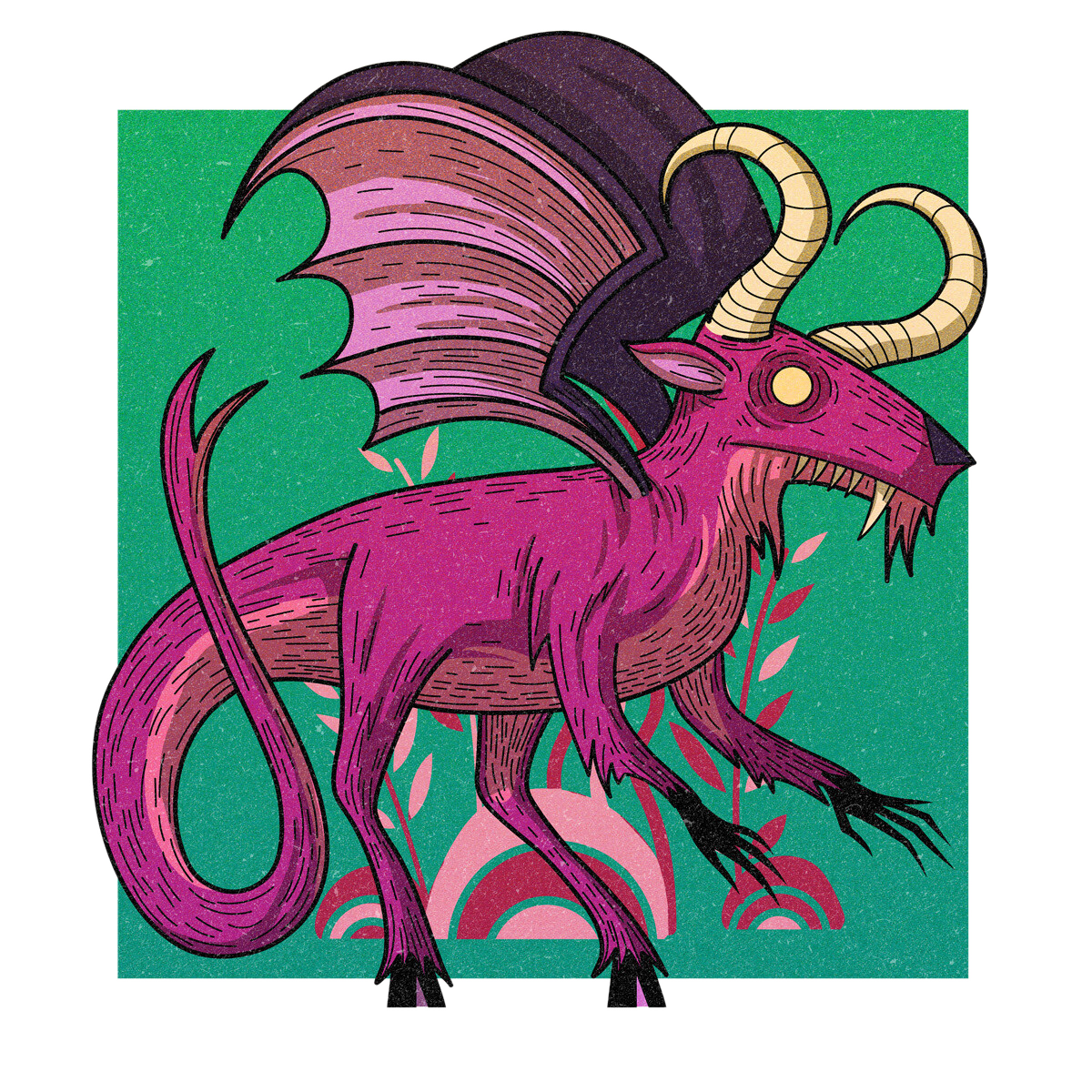
Jersey Devil
New JerseyBorn from an 18th century mother's curse on her 13th pregnancy, the Jersey Devil underwent an immediate and violent mutation; growing a goat head, bat wings, heavy hooves, and a barbed tail. It has aggressively defended New Jersey's Pine Barrens ever since.
Most Confusing
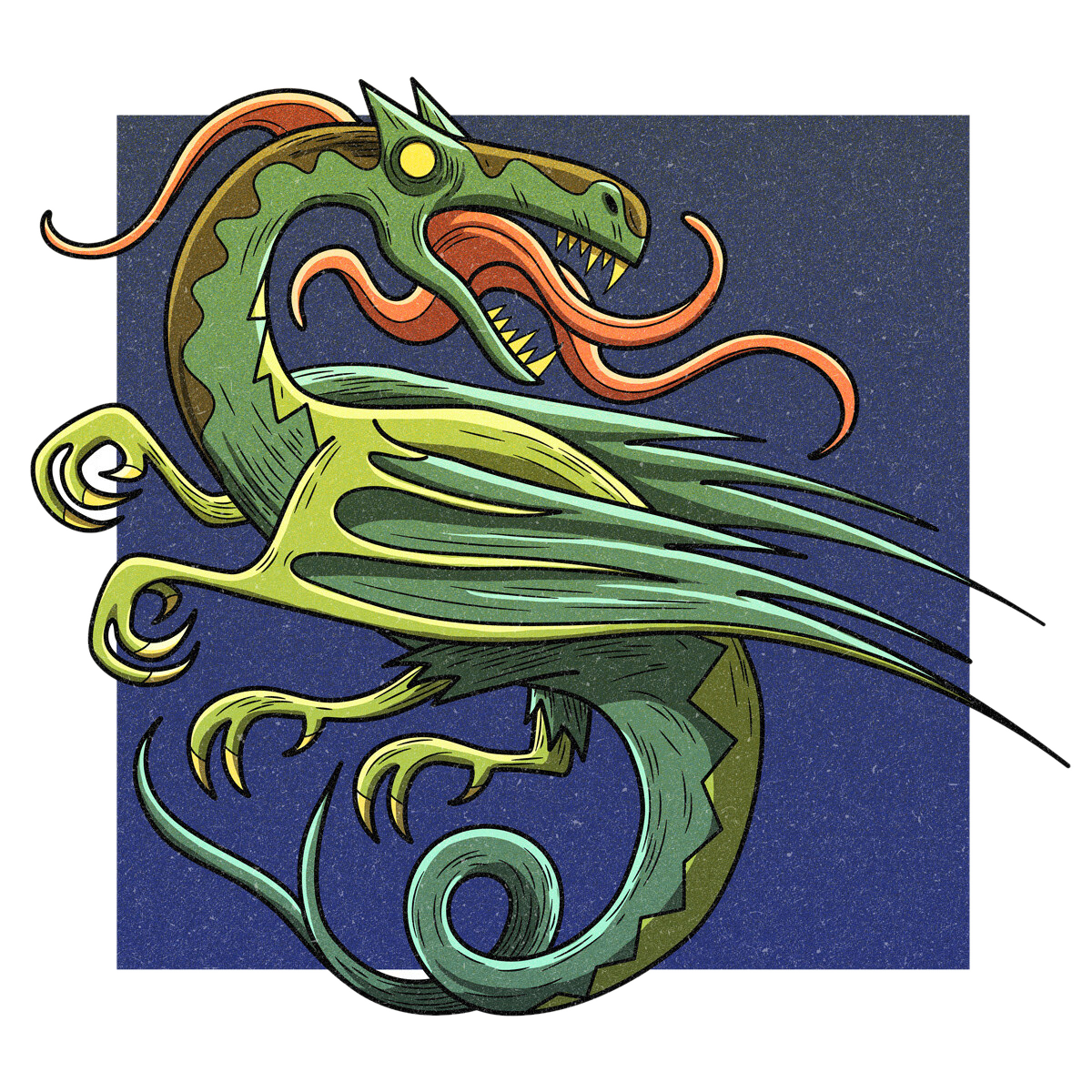
Snallygaster
VirginiaThe Snallygaster is the most anatomically bizarre cryptid. First reported by early settlers, it is a demonic bird-like creature with enormous wings, a metallic beak filled with teeth, claws like steel hooks, bulletproof skin, and a single eye in the center of its forehead.
Most Elusive
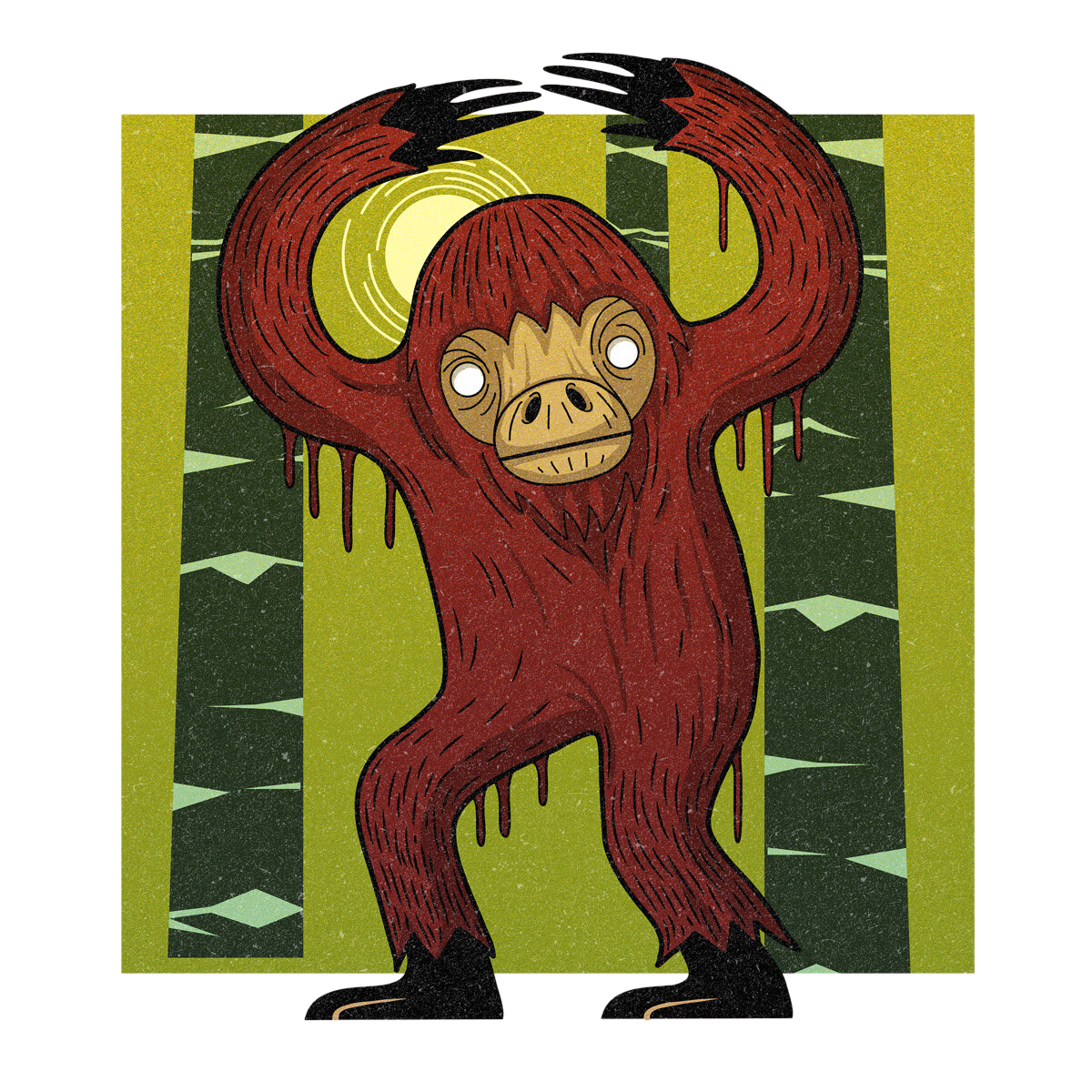
Skunk Ape
FloridaThe Skunk Ape is an incredibly elusive creature that resembles a shorter, lankier Bigfoot. It utilizes the 2.2 million acres of the Florida Everglades swampland to successfully hide from nosy investigators while emitting a foul odor to repel threats.
Most Famous
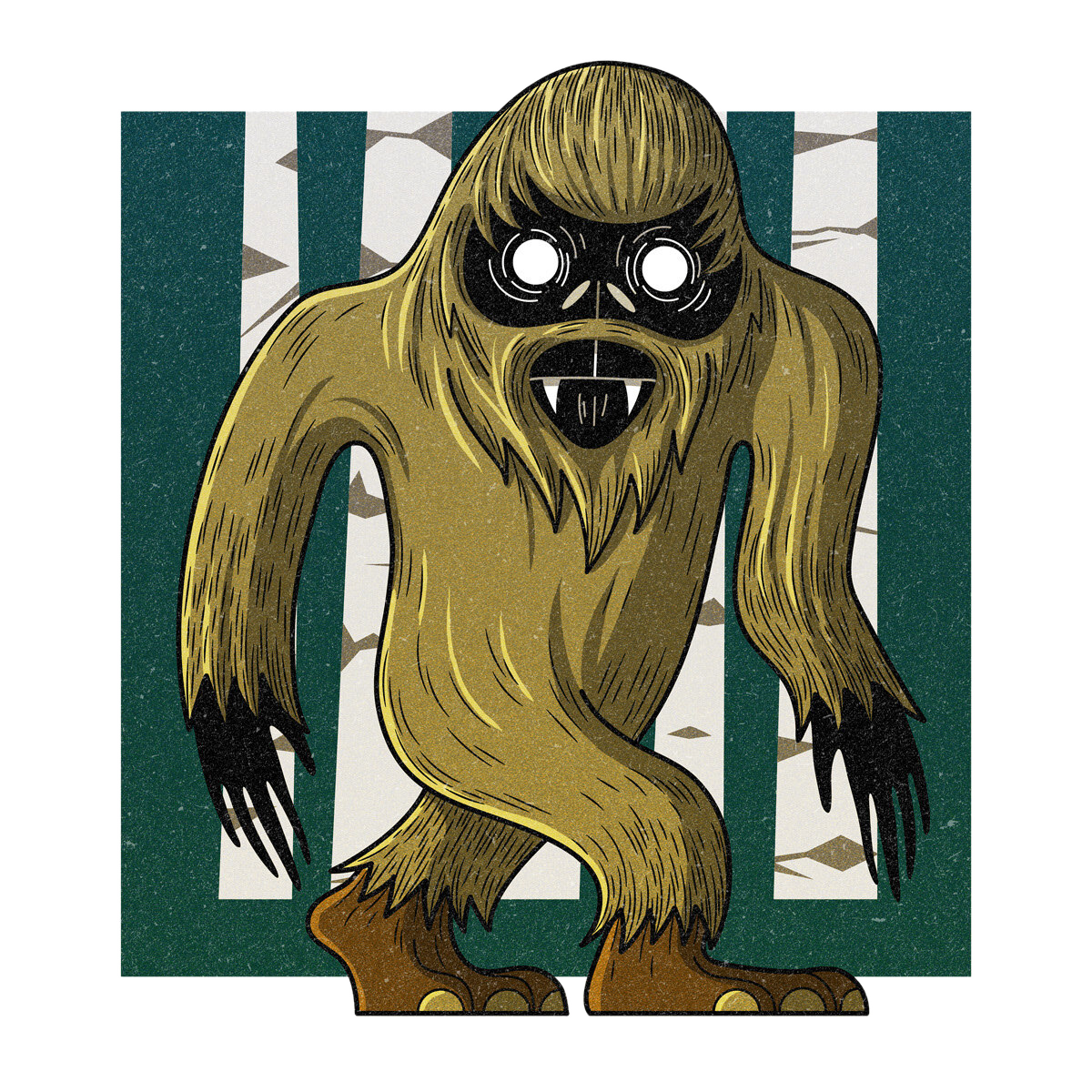
Bigfoot
WashingtonBigfoot is the only cryptid famous enough to inspire its own sitcom. Standing up to 9 feet tall and weighing 900 pounds, this massive hominid has been documented across North America for centuries, from ancient Native American legends to modern wilderness sightings.
Most Legendary
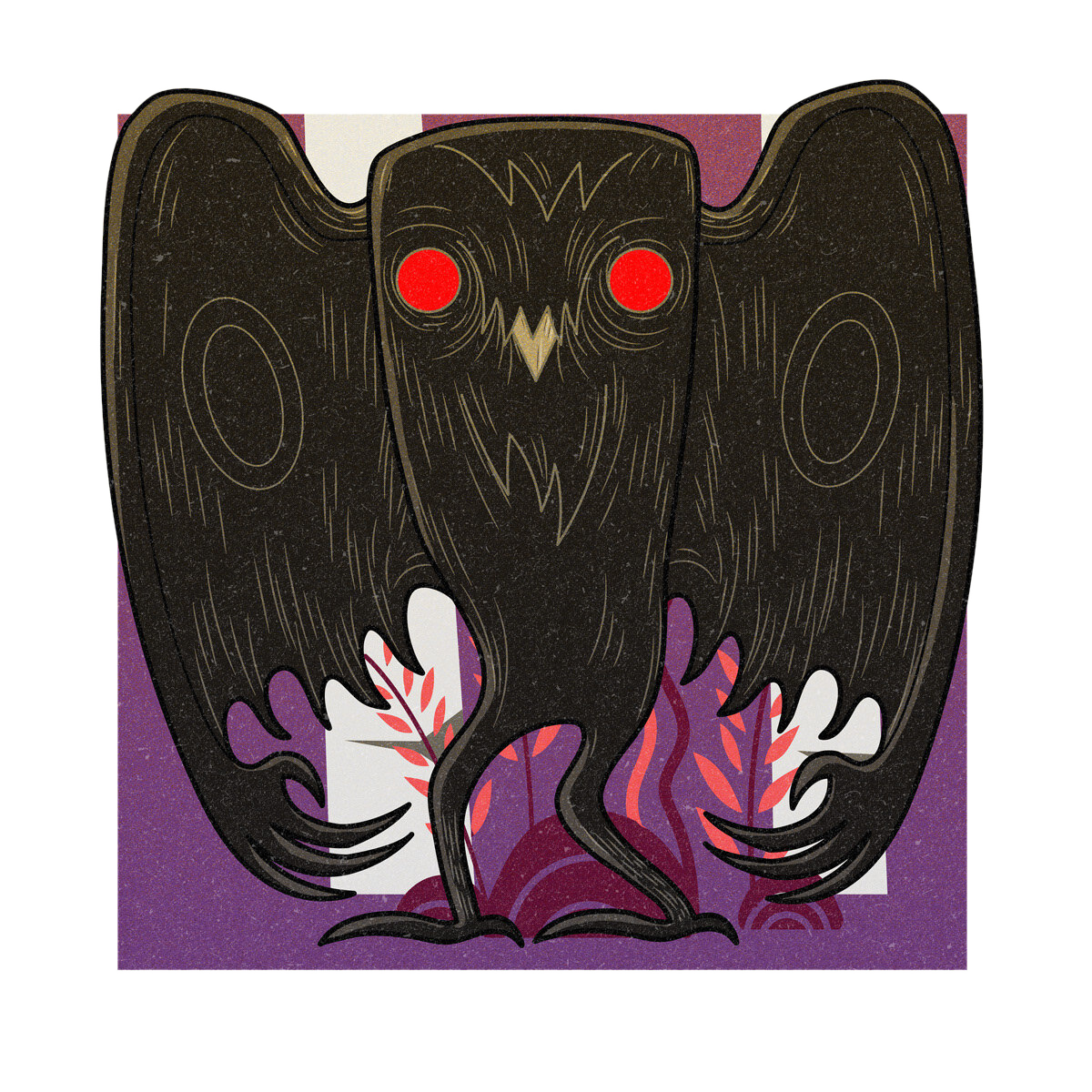
Mothman
West VirginiaThe Mothman remains North America's most iconic cryptid, a towering winged humanoid with blazing red eyes first sighted in Point Pleasant, West Virginia in 1966. Its appearance before the Silver Bridge collapse cemented its reputation as a harbinger of disaster.
Most Spookiest
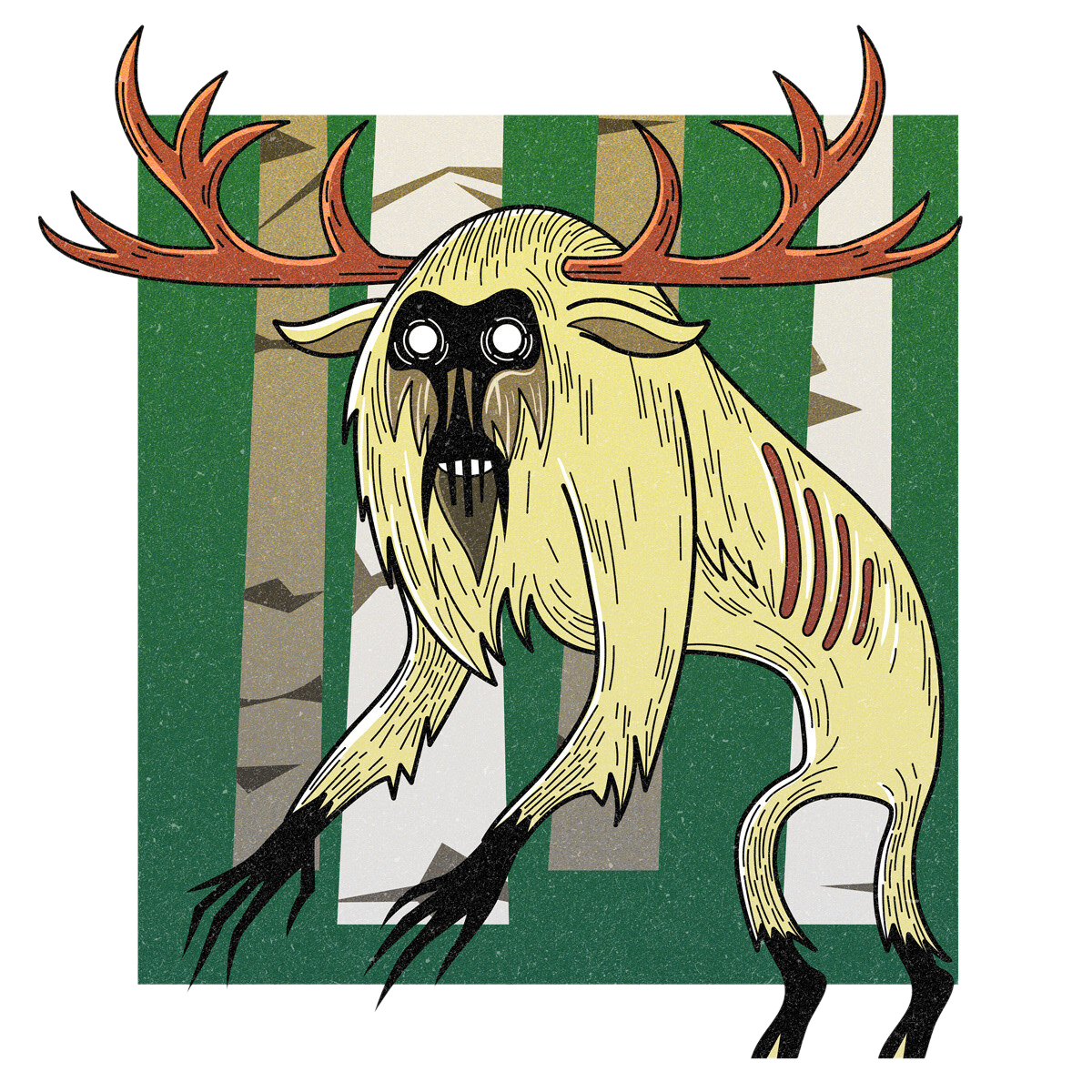
Wendigo
MinnesotaWithout a doubt, the Wendigo takes first place as the spookiest mythical monster in North America. Driven mad by hunger, this cannibalistic beast looks like a cross between a haunted, emaciated deer and a tortured man, constantly excreting an odor of decay.